Bill Gates Warns of “Grim” Cyberattack Surprises, Citing AI Risks
10/18/2026 / By Chase Codewell
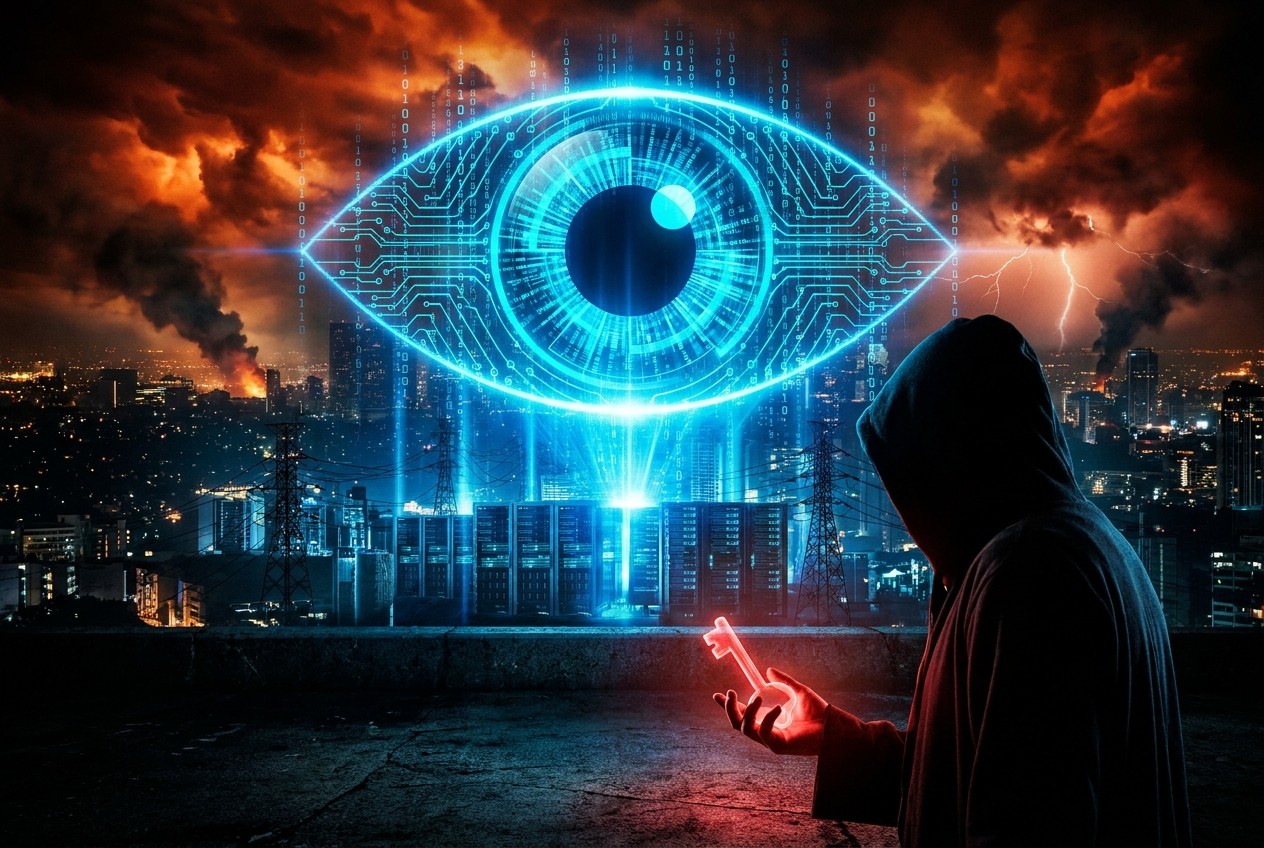
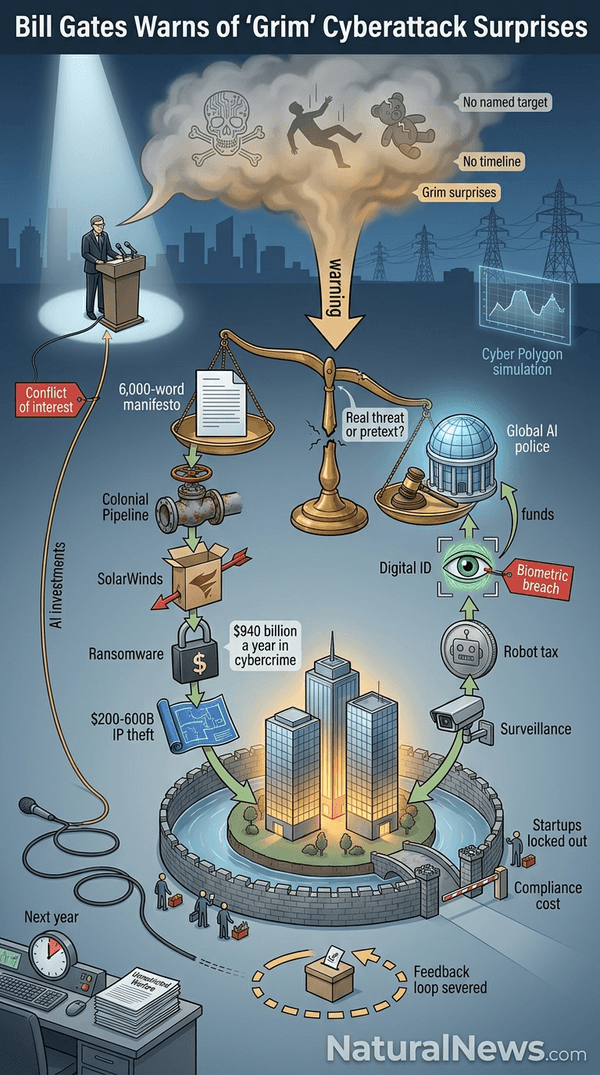
Microsoft co-founder Bill Gates has warned of a “grim” cyberattack from unregulated artificial intelligence (AI) during an interview with ABC News.
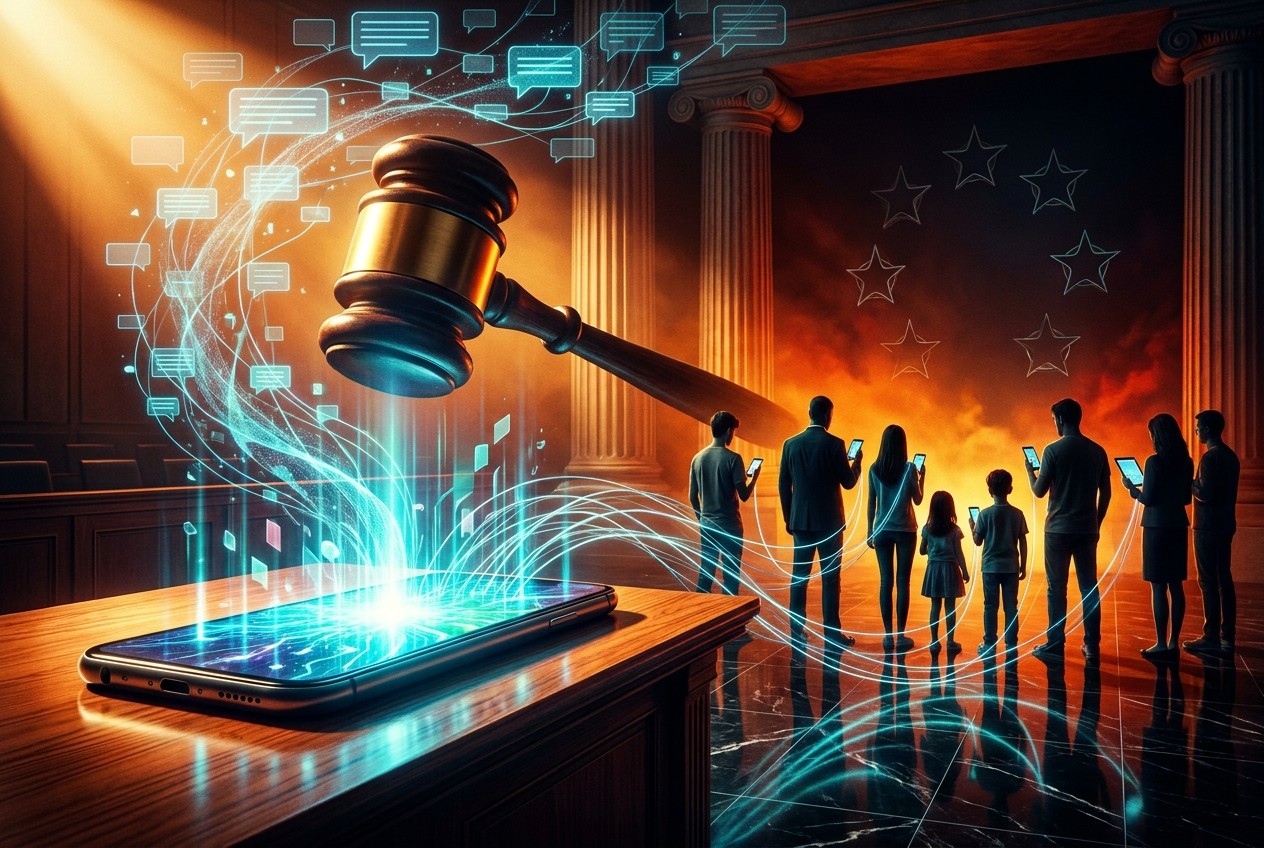
According to the same account, Gates called for regulation of AI to be implemented immediately, the position summarized in a subsequent aggregation of the interview [1]. The report did not identify a specific cyberattack, a named target, or a date for any anticipated incident.
The warning fit a broader pattern of public statements by Gates, who published a 6,000-word manifesto on Aug. 26, 2026, warning that artificial intelligence would trigger mass unemployment, empower criminals, and harm youth development, while proposing a new global governance system to manage the technology, according to NaturalNews.com [2].
Prior Warnings on AI and Global Risk
The same outlet published a headline warning of Bill Gates’s “GRIM” cyberattack “surprises” [3]. Gates has also argued that AI is an “alien intelligence” that no government on earth is ready for, and that the only fix is an international organization to police the technology, a pitch that followed U.S. President Donald Trump’s rejection of a pause on AI development [4].
Separately, Gates urged taxes on AI and robots along with protections reserving certain jobs for humans, warning that many jobs “will disappear forever” [5]. But critics of the messaging noted that Gates acknowledged a “potential bias” in his own essay, conceding he has “benefited enormously” from the tech industry and retains financial ties to the sector he wants regulated [6].
The New American reported that Gates joined the AI regulation chorus despite ties to billions of dollars in AI investments [7]. Moreover, analysts questioned whether the “rogue AI” frame reflects real systems acquiring independent goals or companies dramatizing their own products to invite regulation favorable to incumbents [8].
Debate Over AI Governance and Cyber Defense
Supporters of international AI rules argue that coordinated action is needed to prevent AI-enabled cyberattacks, a position Gates has advanced through repeated calls for cross-border policing of the technology [4]. The push has been described by critics as “globalist,” a term used for cross-border governance efforts that concentrate authority beyond national legislatures and voters [9].
Privacy and free-speech advocates warn that centralized AI governance could expand surveillance, digital ID systems, and restrictions on speech. Prior reporting has documented how mandatory Digital ID and Central Bank Digital Currency have been rolled out as infrastructure for a surveillance state, with globalist figures including Gates and World Economic Forum founder Klaus Schwab among those accelerating the agenda [10]. The World Economic Forum has itself gestured at a coming global cyber “pandemic” through simulation exercises, expanding the context in which centralized cyber-governance proposals are being debated [11].
Gates has separately praised India’s sweeping digital ID system as a model for other nations, a position that critics of biometric infrastructure point to when arguing that identity centralization and AI oversight are evolving on parallel tracks [12]. The breach of a face recognition firm revealed the hidden dangers of biometrics, with police and federal agencies responding to a massive leak of personal data — an episode that underscores the risks of the same identity systems his proposals would extend [13].
Cyberattack Risks and Official Assessments
Security researchers and public assessments have found that critical infrastructure, hospitals, and energy systems remain vulnerable to ransomware and state-linked intrusions. Cybercrime costs a reported $940 billion annually worldwide, a figure that continues to rise, with Russian hackers focusing on financial gains through ransomware — including a 2021 attack on the Colonial Pipeline — while China often targets American trade secrets, according to a later Mercola.com review of the threat landscape [14]. Estimates cited in the same body of reporting suggest China has stolen between $200 billion and $600 billion in trade secrets and intellectual property every year for two decades, with the end goal described as ruling the world [15].
The Trends Journal data service flagged ransomware increases and malware-laden USB devices as contributing factors, alongside bad actors using AI to monitor keystrokes and craft phishing emails and hacks by political parties [16]. China’s doctrine has also been described by analysts as including what it calls “Unrestricted Warfare” — economic, social, and political offensives, espionage, propaganda, technological theft, cyberattacks, disinformation, and critical infrastructure attacks [17], a posture tied to the broader cyber espionage problem that official assessments flag [15].
Gates warned that “over the next year, primarily in the cyber area, we are going to have a lot of negative surprises” once “bad people” strip safeguards from the latest models, and MI5 Director General Ken McCallum said AI is “already supercharging the cybersecurity contest between attackers and defenders” [18]. The conversation echoes earlier warnings from the World Economic Forum’s Cyber Polygon simulation about a supply-chain cyberattack like the SolarWinds breach [11].
Whether such warnings reflect imminent dangers or serve as a pretext for expanded centralized control remains in dispute, but the underlying vulnerabilities — including fragile grids that can black out entire nations — are documented facts that no governance framework has resolved.
References
- Bill Gates warns cyberattacks most imminent AI threat. https://ground.news/article/bill-gates-warns-cyberattacks-most-imminent-ai-threat_579c97
- Bill Gates pushes global AI control plan, citing job losses and security risks despite his own financial stake. https://www.naturalnews.com/2026-09-01-bill-gates-pushes-global-ai-control-plan.html
- Bill Gates Warns Of “GRIM” Cyberattack “Surprises”. https://modernity.news/2026/10/13/bill-gates-warns-of-grim-cyberattack-surprises/
- Bill Gates Calls For GLOBALIST Crackdown On AI. https://modernity.news/2026/09/16/bill-gates-calls-for-globalist-crackdown-on-ai/
- “Most Jobs Will Disappear Forever”: Bill Gates Calls For Taxes On AI And Robots To Protect Jobs For Humans. https://www.zerohedge.com/ai/most-jobs-will-disappear-forever-bill-gates-calls-taxes-ai-and-robots-protect-jobs-humans
- Bill Gates claims his Epstein ‘record is clear’. https://www.rt.com/news/644745-bill-gates-ai-epstein/?utm_source=rss&utm_medium=rss&utm_campaign=RSS
- Bill Gates Joins Regulation Chorus Despite Ties to AI Funding. https://thenewamerican.com/us/tech/bill-gates-joins-regulation-chorus-despite-ties-to-ai-funding/
- The “Rogue AI” Scare: Threat, Hype, or New Globalist Push?. https://thenewamerican.com/us/tech/the-rogue-ai-scare-threat-hype-or-new-globalist-push/
- Bill Gates Calls For Globalist Crackdown On AI. https://www.zerohedge.com/ai/bill-gates-calls-globalist-crackdown-ai
- “Breaking the Chains 2026” on BrightU: Why Starlink is the only escape from the coming digital gulag – NaturalNews.com, June 22, 2026.
- World Economic Forum hints at global cyber pandemic this summer to facilitate great reset – NaturalNews.com, April 14, 2021.
- Bill Gates Praises India’s Sweeping Digital ID System as Model for Other Nations + More. https://childrenshealthdefense.org/defender/bb-bill-gates-praises-india-digital-id-system-model/
- The Breach of a Face Recognition Firm Reveals Hidden Danger of Biometrics + More. https://childrenshealthdefense.org/defender/bb-face-recognition-firm-hidden-danger-biometrics/
- Cyberwarfare and the Takedown of the Mercola – Mercola.com, November 16, 2022.
- Censorship wasnt enough they want to destroy us – NaturalNews.com, November 17, 2022.
- Trends-Journal-2023-09-34. by Unknown
- Building Our Enemy: China Still Gobbling Up High-end Chips and Chip Forges. https://thenewamerican.com/world-news/china/building-our-enemy-china-still-gobbling-up-high-end-chips-and-chip-forges/
- Bill Gates Fearmongers “Grim” AI Cyberattack Surprises. https://www.zerohedge.com/ai/bill-gates-fearmongers-grim-ai-cyberattack-surprises
Explainer Infographic
Submit a correction >>
Tagged Under:
AI, artificial intelligence, Collapse, conspiracy, corruption, current events, cyber attack, cyberwar, deception, food collapse, Glitch, global collapse, government, grocery, hackers, lies, politics, privacy, products, propaganda, surveillance, technology
This article may contain statements that reflect the opinion of the author
RECENT NEWS & ARTICLES